Bob Sumerel Tire Co. has been committed to providing the highest quality services for new tires and automotive maintenance in the northeastern Ohio and western Pennsylvania areas since 1968.

Search Our Blog

Popular Posts

Showing posts with label vehicle service. Show all posts

Thursday, January 26, 2017

Battery Care and Symptoms from Ohio's Battery Experts

Your car's battery is one of the most important parts of the vehicle, without it all other vehicle components would not matter. One common misconception about your battery is that extremely cold temperatures are the main "killer" of your battery. While this may be true, there is also sufficient evidence that suggests hot summer months do just as much damage to the internal components of an acid based battery. With any oil change, your local Bob Sumerel Tire location will test your battery in order to see if it is performing properly.
Fortunately, batteries often will start to show signs of a decrease in power long before the battery actually dies. This week's blog takes a look at your battery, as well as tell tale signs that it is time to replace it.
  • Check engine light is on- If you notice slower cranking than usual, as well as a check engine light illuminated, its time to have your battery tested! 
  • Visible battery leak- Visual inspections of your battery can be done at any time, Simply look around the top seal of the battery for any fluid seeping out of the top casing. 
  • A clicking sound when you try to start your car- When you hear this, you can rule out that your starter is bad. Have your battery checked and replaced if needed. 
  • Slower cranking, especially on cold days- Be sure to pay attention to if your car "drags" while it starts. If it begins to drag, it may be time to get your battery checked. Any local Bob Sumerel Tire Co. can test your battery for free! 
  • You have needed a jump frequently- While jumps can fix a battery that is drained, a dead battery will continue to give you problems, requiring a jump almost every time. 
The good thing is that most battery replacements can be done quickly, and with minimal effort of installation. Something to keep in mind when purchasing a new battery is how long the warranty lasts. If you are planning on keeping a vehicle for a long time, it might be worth the investment to get a battery that is expected to last longer. Batteries on the market today have warranties lasting anywhere from 90 days up to 5 years. To get a quote on a new battery, contact your local Bob Sumerel Tire location for further details. 

Thursday, January 12, 2017

An Overview of your Vehicle's Cooling System from your Ohio's Experts

A vehicle's heating system is often one that is frequently used around this time a year, but is often taken for granted as a luxury in modern vehicle components. Like your engine oil, your antifreeze should be flushed according to your mileage, but not as frequently as changing your oil. This service, as well as others can be done at any local Bob Sumerel Tire location! There are many parts that work together to make this cooling system operate fluidly, getting the engine up to operating temperature. Below are brief descriptions of each of these components, and what their responsibilities are within the vehicle:
  • Thermostat - Typically on the top of the motor, this small valve opens when the engine reaches operating temperatures to allow coolant to pass into the engine. This component is also in charge of creating warm air in the car's cabin when you turn the heat on.
  • Water pump - This cast iron piece is run by a pulley system from your serpentine belt, pumping the water in and out of the motor.
  • Radiator - This part is located in the front of the vehicle, it regulates the temperature of the pressurized coolant that cycles in and out of the motor. 
  • Expansion Tank - Also known as an overflow tank, this plastic container is what you pour your coolant into, which holds any excess coolant.
  • Hoses - There is an upper and a lower hose, both are in charge or distributing coolant to different parts of the motor, also cycling it through the radiator. These hoses should be free of any cracks or bulges at the ends.  
  • Cooling fan - Usually located on the radiator, or attached to the water pump pulley this component is in charge of cooling the vehicle's radiator. 
  • Coolant/Antifreeze- This fluid is essentially the "blood" of your car's cooling system. It is a 50/50 mixture of coolant and water that keeps your car's motor from freezing over or boiling up when in operation. 
Failure to flush your coolant system can cause severe calcium build up within the internal parts of your cooling system. Calcium build up can deteriorate plastic radiator parts, as well as cast iron parts engine parts, and even rubber gasket material. These individual components should be visually inspected about every oil change to ensure there are no leaks in the system. Call your local Bob Sumerel Tire shop if you have any questions about your vehicle's suggested fluid intervals. For a further look into your vehicle's cooling system, as well as other vehicle components, check out CarCare's article here. 

Please visit us on Facebook, Twitter, Google+, and Yelp.    

Thursday, January 5, 2017

Proper Shock/Strut Maintenance from Ohio's Suspension Guru's

While tires play a vital role in the overall "ride" when driving, there are several other components on a vehicle that help deliver a smooth ride. Your shocks and struts are often forgotten about, as they are usually something that will not make a vehicle inoperable. These gas-powered components play a crucial part in things like tire wear, ride control, and overall ride comfort. Monroe® suggests that your shocks be checked every 50,000 miles for wear, with the average shocks lasting anywhere from 60,000 to 90,000. Get in touch with your local Bob Sumerel Tire to have your shocks and suspension checked at no charge! Many may not notice a huge difference in ride quality as their shocks get weaker overtime, but there are a few things to keep in mind when thinking about your shocks:
  • Abnormal tire wear can be a result from bad shocks. If shocks do not perform sufficiently, they can cause the tire to "hop" creating abnormal bald spots on parts of the tire.
  • Visual inspection of the shocks can be done at any local Bob Sumerel Tire Co. Any signs of gas fluid leaking around the cylinder of the shock is an indication they need to be replaced. 
  • Always replace shocks in pairs. Failing to do this will result in abnormal tire wear, and even could cause poor handling. 
  • Get an alignment after having shocks/struts replaced. New shocks make alter the geometry of the vehicle, an alignment will ensure your tires wear evenly and can be done at any Bob Sumerel Tire location!
 Additional components can be replaced in accordance with your shocks to help restore your ride to its factory condition. Replacing things like coil springs, or sway bar links/bushings can improve your suspension, making it tighter and more responsive. If you are worried your suspension might not be performing as it used to, schedule a check-up with your local Bob Sumerel Tire Co to clear up any potential problems down the road!

Please visit us on Facebook, Twitter, Google+, and Yelp.   

Thursday, November 17, 2016

Maximizing Fuel Economy This Thanksgiving Season


As the winter holidays approach, long hauls with the family are typically in the schedule for drivers. If so, then be sure to roll on by your local Bob Sumerel Tire shop for a complimentary inspection before you hit the road. Did you know that your vehicle's fuel efficiency can be greatly impacted by cold temperatures?  According to fueleconomy.gov your vehicle's gas mileage can be 12% lower at 20°F than at 70°F.  However, there are also several things you can do at home to ensure you get the most miles per gallon on this year’s Thanksgiving trip and other months no matter how cold the temperature is.

  • Check your tire pressure before hitting the road, and fill them according to the correct PSI.  This number is found in your owner's manual, glove box, or door jam.
  • Instead of going with regular fuel, choose a mid-grade or premium fuel for filling up. Higher
    grade fuels have higher burn off temperatures and additional additives to help clean deposits in your fuel system. 
  • Do a quick check of your fluid levels to assure they are at sufficient operating quality. 

  • Whenever possible, try to coast down hills without using the accelerator, that way your engine doesn't have to work as hard, and will use less fuel. 

  • Always check weather and traffic conditions before the commute to prepare for any uncertain obstacles. 
Following these tips can boost your gas mileage, as well as ensure a safe trip to wherever your dinner table is this Thanksgiving. For a professional fuel system treatment and free diagnostic maintenance check, visit your local Bob SumerelTire Co. 

Happy Holidays! 

Please visit us on Facebook, Twitter, Google+, and Yelp. 

Thursday, October 20, 2016

4 Components Of Tire Technology Explained By Ohio's New Tire Experts

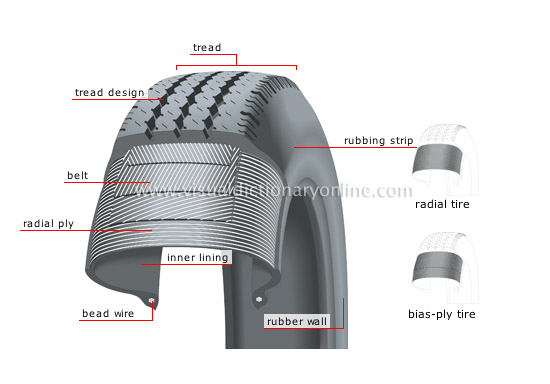
At a glance, a tire is simply an inflated piece of rubber stretched over a rim.  However, there is so much more to new tires than meets the eye.  The make of your tires can determine how well your vehicle can handle in different weather conditions, cornering, ride comfort, ride noise level, and many more factors.  Each of these factors is determined by the highly tested engineering that goes into each new tire.  The new tires experts at Bob Sumerel Tire Co. have laid out a list of explanations of some of the key engineering components that go into a tire. 

The Rubber
The rubber of a tire is actually made up of two key ingredients, the rubber and the filler.  These two are carefully balanced and varied across different tire brands to account for the performance of the tire in different weather conditions.  There are also different types of rubber used in different tires to achieve certain performance objectives for that type of tire.

Tire Cords
Fabric and steel cords are used in tires to help reinforce the rubber against the heavy loads that the tires are carrying.  Both types of cords are produced in highly controlled environments to ensure peak quality.  Tire cords can play a large factor in ride comfort and load capacity.


Bead Compnent
This aspect of the tire helps to anchor the body plies (made of fabric and steel cords) and lock the tire onto the actual wheel.  Bead components in all tires must be precise to ensure ride safety.

Tread and Sidewall
These components of the tire are made from a machine called an extruder.  The extruder simply shapes the rubber into the correct profile of either the tread or the sidewall.

So remember, the next time you are looking at new tires to buy feel free to ask your local Bob Sumerel Tire salesmen about these components.  They are committed to getting you the right tires at the right price no matter what.  Make Bob Sumerel Tire Co., home of the lowest drive away tire price guarantee, your one stop shop for all things tire and service.

Please visit us on Facebook, Twitter, Google+, and Yelp.
 

Thursday, October 13, 2016

3 Of The Most Common Power Steering Problems Explained

 Power steering is an extremely important component of your vehicle in that it dramatically reduces the steering strain of your wheels on the road.  Typically when power steering problems occur, you will find the steering wheel extremely difficult to turn when navigating corners and curves.  The power steering and new tires experts at Bob Sumerel Tire Co. are here to explain and diagnose 3 of the most commonly occurring power steering problems that can happen to your vehicle.
  1. Power Steering Leak: This is typically the most common of the 3 power steering problems that can occur.  Symptoms of a leak include fluid on the ground on the driver's side of the vehicle and a grinding noise when you turn the steering wheel.  If you have a power steering leak, make sure to schedule an appointment with your local Bob Sumerel Tire store ASAP.  If you run out of power steering fluid, then your pump could be at risk of burning out completely.
  2. Drive Belt Problem: Another common problem that is easy to diagnose is when the belt inside of
    your power steering pump starts to slip.  An easy diagnosis to this problem is when you hear a squealing sound when you turn your steering wheel in a sharp turn.  Make sure to schedule a service appointment with your local Bob Sumerel Tire store for a quick and easy fix to this problem.  If left unfixed, the belt can eventually fail.
  3. Cracked/Worn Hoses: Typically hoses that are several years old can start to run the risk of cracking.  Worn hoses can also occur due to how close they are to other parts in the engine compartment.  Contact with other parts of the engine can gradually wear away at the hoses and damage the structural integrity of them putting them at risk of bursting.  If a hose bursts, then you will notice a sudden loss of power steering and turning your wheel can be extremely difficult.    It is important to get your power steering hoses inspected by your local Bob Sumerel Tire Co. professionals to help avoid getting a leak or worse.
If you find that you are having any of these problems or a problem that was not addressed above with your power steering, then make sure to call your local power steering experts at Bob Sumerel Tire Co. ASAP.  Unaddressed power steering problems can put you and your vehicle in dangerous situations.  Bob Sumerel Tire Co. is committed to keeping you safe on the roads as the colder weather approaches.

Please visit us on Facebook, Twitter, Google+, and Yelp.

Thursday, October 6, 2016

How Many Miles You Can Safely Drive Over Your Oil Change Sticker

If you have ever taken your vehicle to get an oil change, then the odds are you will also have a fresh new sticker on the top left inside part of your front windshield.  This sticker will typically recommend that you schedule your next oil change in 3,000 miles.  While it doesn't hurt to change your vehicle's oil every 3,000 miles, it doesn't necessarily help either.  The oil change experts at Bob Sumerel Tire Co. have put together a list of 3 things to check to tell when your vehicle really needs its next oil change.
  1. Check Your Owner's Manual: Your vehicle's owner's manual will typically recommend how many miles to put in between each oil change.  This can range from 5,000 miles up to 10,000 miles.  Be sure to take into account the kind of driving you do as well, typically you can go a little over what your owner's manual recommends if you do primarily highway driving.  REMEMBER to schedule your oil change soon when you reach the recommended distance in your owner's manual.
  2. Change Oil Soon Light: Many newer vehicles will typically come with this sensor installed.
      Typically the light will come on around when your owner's manual recommends you get an oil change.  Also, keep in mind that the type of driving you do can greatly affect the lifespan of your vehicle's oil, meaning that the light may come on a little before or after the recommended mileage.  Regardless, when your oil change light comes on, be sure to schedule an oil change with your local Bob Sumerel Tire store ASAP.
  3. Check The Oil Quality: If your vehicle does not have a "Change Oil Soon" light installed in it do not
    worry!  Simply find the dip stick under your hood.  The first time you pull out the dip stick wipe it clean and then dip it into the oil a second time.  Wipe the oil off the dip stick again.  If the oil is a golden/amber color, then you don't have to worry about getting an oil change soon.  If the oil you wipe off after the second dip is black however, that means you may want to schedule an oil change soon.  Your engine oil will typically turn black from the debris it picks up in the engine.  A good practice is to check your oil at home every 3,000 to 4,000 miles to see if you need an oil change.
Also, be sure to check with your manufacturer to see if synthetic oil would be good in your vehicle's engine.  Synthetic oil can sometimes last between 50,000 and 75,000 miles.  That means BIG savings on your oil change spending.  The next time you find yourself needing an oil change, make sure to call your local Bob Sumerel Tire store and get a free preventative maintenance inspection as an added bonus. 

Please visit us on Facebook, Twitter, Google+, and Yelp.

Thursday, September 29, 2016

Winterizing Your Vehicle To Keep You And Your Family Safe On The Roads

With the coming of fall also comes the changing of leaves and colder weather.  While there is still a month or two before the weather starts to get really cold however, there are some important precautions to take when maintaining and preparing your vehicle for the colder, snowy months of the year.  The preventative maintenance experts at Bob Sumerel Tire Co. have compiled a pre-winter preventative maintenance check list for you to consider as the colder months approach. 
  • Check Your Coolant Level: Otherwise known as antifreeze, coolant performs several important functions in your vehicle's engine.  During the colder months it is especially important to maintain this fluid as low coolant levels can put your engine at risk to overheating or worse.  The coolant should be a 50/50 mixture of water and the coolant ideally.  This helps to keep your engine cool while preventing the water from freezing in your lines.
  • Inspect Your Tires: There are 3 main things you need to look for when inspecting your tires to make sure they are prepared for the winter months.  
    • The first and most important detail to inspect is the tread depth on each of your tires.  Typically you should consider replacing any tire with a tread depth below 1/8 of an inch.  An easy way to figure this out is by inserting a penny upside down in the tread of your tire.  If you are able to see most or all of Abraham Lincoln's head while the penny is in the tread, then you should consider replacing your tires soon.  
    • The second detail to inspect on your tires is tire pressure.  Typically tires will lose a little bit of air pressure in colder weather, so it is important to keep them well inflated (typically around 35 psi) to your vehicle's specifications.  
    • The third and final detail you need to check on your tires is for any signs of dry-rot or sidewall cracks.  Typically this means your tire could be at risk for a blowout or tread separation.
  • Inspect Your Wipers And Wiper Fluid: The last thing you want to happen on a busy snowy interstate is to be stuck behind a semi-truck that is flinging up the nasty road salt onto your windshield and not be able to clean it off.  This can lead to impaired visibility on the road and can put you and other drivers in danger.  Having plenty of wiper fluid and a new set of wiper blades should do the trick, and is a key part of your winter road safety for a small price.
  • Check Your Battery Posts: A common cause of starter problems in the winter for vehicles can be linked to corroded, gunky battery posts.  A quick DIY fix to clean your battery before the cold weather hits is to pour Coca-Cola over top of the corrosion.  Watch as the battery gunk melts away!  
  • Inspect Your Brakes: Simply look at the pad pressed against the metal rotor on each of your wheels.  If you notice that there is 1/4 of an inch or less left on the pad, then consider getting new breaks.  Having weak breaks or no breaks in the winter can put you and other drivers on the road in serious danger.
  •  Maintain Your Engine's Oil: The oil change experts at Bob Sumerel Tire Co. can't recommend this enough that you keep your engine's oil up-to-date every 3,000-5,000 miles or so.  Old gunky oil can lose much of it's original oil properties and impair parts of your engine especially in the colder months of the year.
Since 1968 Bob Sumerel Tire Co. has been committed to keeping you and your loved ones safe on the road throughout the year.  If you are not sure what maintenance your vehicle may need before winter, please feel free to visit your local Bob Sumere Tire store for a FREE preventative maintenance check.  Bob Sumerel really does care.

Please visit us on Facebook, Twitter, Google+, and Yelp.

Thursday, September 22, 2016

4 Common Headlight Problems And How To Fix Them From Northeastern Ohio's Automotive Headlight Experts

Headlights aren't always something that we typically think about when driving on the road, but they are extremely important for the obvious reasons one might think of.  Just like any other light bulb, your car's headlights can experience the same problems.  That is why the headlight automotive service experts at Bob Sumerel Tire Co. have made this list on how to fix the 4 most common headlight problems.
  1. Only One Headlight Works: Possibly the most common out of the 4 problems listed, this can be the result of a couple different factors.  Just like light bulbs in your house, car headlight bulbs have limited lifespans based on the hours of use.  The typical headlight will normally last between 600 and 2,000 hours of being on, which equates to around 6 years of use for the average person driving between 12,000 and 15,000 miles a year.  However, before replacing the bulb it is important to check the electrical connector and wires on the back of your headlight for any loose connections or corrosion.  Once you are positive that the bulb is burned out refer to your owners manual for replacing it.  Typically headlights will be replaced by removing the bulb from it's back housing.  Make sure the replacement bulb is the same size and style as the original burned out bulb.
  2.  Both Headlights Aren't Working: Aside from the above reason stated where both of the headlights could be burned out, there are other causes to both of your headlights not working.  If both your headlight bulbs are still good, then the cause could be that there is no electricity reaching the bulbs due to a bad headlight relay, fuse, module, dimmer switch, or wiring.  To get a free diagnostic maintenance check on your headlight problems in this case feel free to call you local Bob Sumerel Tire store.
  3. Fluctuating Brightness From Headlights: This problem is most likely the result of an alternator going bad or the actual drive belt of the alternator starting to slip.  The chances are that if your alternator is starting to go bad or slipping that your vehicle will also struggle to idle and in serious cases stall.  If you experience fluctuating headlights or engine idling make sure to stop by your local Bob Sumerel Tire store immediately to stop your vehicle from stalling on the side of the road.
  4. Dim Headlights: There could be several different causes to this particular problem.  Your headlights could be dirty, fogging on the inside of the headlight lens, discolored on the plastic headlight cover, or improperly aimed headlights.  Most of these problems can just be solved by cleaning your headlights,
    however, if there is moisture inside the housing or the discoloration extends down far into the plastic you might need to consider getting a new headlight housing.  If your headlights need to be re-aimed, feel free to bring your vehicle to your local Bob Sumerel Tire store for quick and professional service.
 Please visit us on Facebook, Twitter, Google+, and Yelp.